
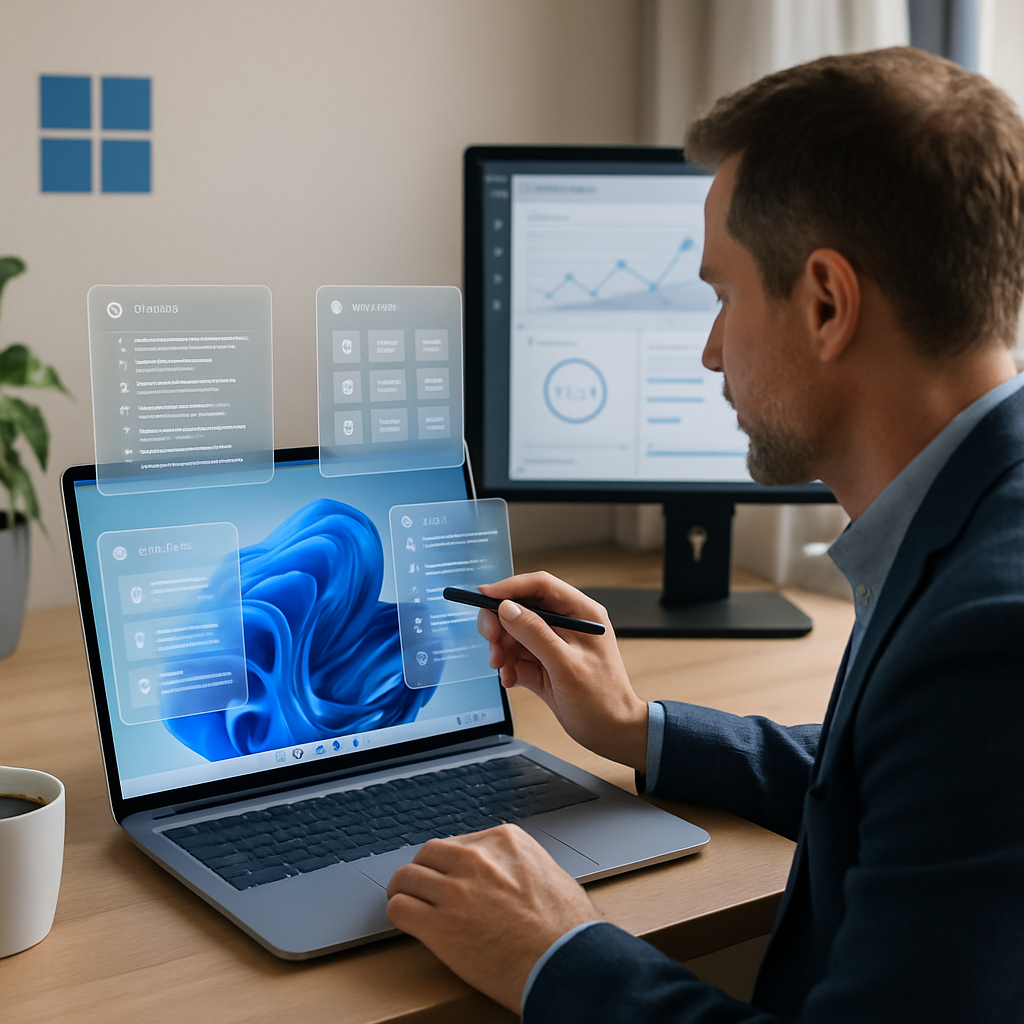
Whether you’re a casual user or a power user, Windows tips & tricks can unlock speed, security, and productivity. In 2025, mastering practical techniques across Windows 11 and Windows 10 helps you work faster, stay organized, and protect your data. This guide dives into actionable steps you can apply today, with a focus on real-world results and a friendly, non-technical tone. From quick shortcuts to deep system tweaks, you will find a mix of beginner-friendly tactics and pro-level tricks that cover everyday tasks and edge-case scenarios. If you want to get more from your PC, you are in the right place.
Why Windows Tips & Tricks Matter in 2025
As Windows continues to evolve, tips and tricks become a reliable shortcut to better performance and smoother workflows. Whether you are running Windows 11, Windows 10, or a mix of both, a solid toolkit of Windows tips & tricks helps you reclaim wasted minutes, streamline multitasking, and reduce repetitive errors. This year brings refined power-user features and improved accessibility, making it easier to tailor the OS to your needs. Adopting these best practices is not about chasing bells and whistles; it is about consistent, measurable improvements in daily tasks, file management, and productivity.
While some tricks feel like tiny accelerators, when combined they compound into a noticeable uplift. For instance, learning efficient keyboard shortcuts, mastering File Explorer search tips, and enabling smart features like clipboard history can shave seconds off dozens of tasks every day. If you routinely juggle documents, emails, and spreadsheets, these Windows tips and tricks compounds into meaningful gains over weeks and months, especially when you adopt a habit of testing one new tactic per week.
Essential Windows Tips & Tricks for Windows 11 and Windows 10
Windows 11 and Windows 10 share core capabilities, but each has its own flavor and optimization opportunities. A practical approach is to build a flexible toolkit that works across both versions. Start with the basics: learn how to access essential settings quickly, use system-wide search effectively, and take advantage of built-in utilities that ship with the OS. These Windows tips and tricks form the foundation for more advanced productivity hacks, while remaining accessible to beginners and non-technical users.
Beyond basics, you can layer in context-specific techniques for everyday tasks. For example, use the taskbar and start menu for fast launching, implement snap layouts to organize multiple windows, and customize notification preferences to minimize interruptions. As you explore, you will encounter a spectrum of options—from simple keyboard shortcuts to more intricate settings—so progress at your own pace and expand as you gain confidence in applying them to real work scenarios.
Boosting Speed: Performance Tips & Tricks for Windows
Performance is a common goal for many Windows users, and there are straightforward tactics that deliver tangible improvements. Start by trimming startup programs and managing startup impact via Task Manager. Reducing the number of apps that launch at boot time can dramatically cut boot time and free up memory for foreground tasks. In addition, keeping the system lean with regular disk cleanup and driver updates helps avoid slowdowns caused by software bloat or outdated firmware.
Next, focus on memory and storage hygiene. For many devices, RAM is a limiting factor in multitasking, so learn how to monitor memory usage and close memory-hogging processes using Task Manager or Resource Monitor. If you have an SSD, enable features like TRIM and ensure your drive has some free space to maintain performance. These pragmatic Windows tips and tricks collectively keep your PC responsive, even during peak workloads.
Security and Privacy: Harden Windows with Practical Tips
Security is more than antivirus; it is a mindset. Start with a robust account strategy, such as using a local account or a Microsoft account with two-factor authentication, and ensure you keep recovery options up to date. Regularly review app permissions and disable any unnecessary access that could expose sensitive data. Alongside these steps, leverage built-in protections like Windows Defender, Controlled Folder Access, and BitLocker where appropriate to safeguard data without slowing you down.
Another important aspect is handling system tips and prompts that arrive on screen. You can minimize distractions while staying informed by tailoring alert preferences and disabling tips and suggestions as you use Windows. This approach reduces clutter while preserving essential guidance when you need it. Remember to keep security patches current, as timely updates are a critical line of defense in today’s threat landscape.
Productivity Boosters: Shortcuts, Apps, and Short Tricks
Productivity grows when you reduce friction. Keyboard shortcuts remain one of the most efficient windows into faster work. Master a few staples like Windows key plus D to show desktop, Windows key plus L to lock your PC, and Alt plus Tab for quick window switching. Build a habit of using these shortcuts during routine tasks to turn time savings into a measurable daily gain.
Beyond shortcuts, pay attention to file management and multitasking workflows. Learn File Explorer tips such as using the search box with filters, pinning favorite folders to Quick Access, and enabling the details pane for faster metadata access. Explore clipboard history, which allows you to paste multiple items in a row, a small capability that pays off in busy periods with lots of copying and pasting.
Advanced Windows Tips & Tricks for Power Users
For power users, there are deeper levers to pull. Tools like Windows Terminal offer a modern command-line environment that supports multiple shells and efficient scripting. Notepad and Snipping Tool remain reliable companions for quick edits and captures. If you are comfortable with more technical adjustments, you can explore registry-related optimizations and hidden settings with caution—always back up before making changes.
One practical approach is to implement a habit of incremental changes. Try one advanced tip per week—such as enabling God Mode shortcuts, customizing environment variables, or organizing your desktop with a clear scheme of icons and shortcuts. As you gain confidence, you can layer in more sophisticated optimizations while maintaining a stable baseline for your daily work.
Windows 11 Tips & Tricks 2025: New Features and Hot Tricks
Windows 11 brings refined design and new multitasking capabilities. Explore features like improved snap layouts, enhanced virtualization options, and updated notification management. A core part of the 2025 Windows tips and tricks toolkit is learning to harness these enhancements without sacrificing familiarity. Try adjusting the new start menu layout, experimenting with Focus Assist to reduce interruptions, and using voice input as a time saver for quick note-taking or draft emails.
For more advance readers, tapping into Windows 11’s newer accessibility and security controls can yield ongoing benefits. You can customize accessibility shortcuts, fine-tune privacy settings, and align updates with your workflow so that your environment remains predictable and productive. Keeping an eye on community discussions and official updates helps you stay ahead with the latest Windows tips and tricks 2025 offers.
How to Disable Windows Tips and Tricks and Regain Focus
When tips and suggestions become noisy, you can regain focus by turning off tips and suggestions across Windows. In practice, navigate to settings related to notifications and tips, toggle off the option Get tips about Windows, and review related ad and tip prompts in the privacy and personalization sections. This adjustment can reduce distractions, especially during important work sessions or focused tasks.
Additionally, consider limiting ad-supported recommendations and tailoring your experience to a minimal, distraction-free default. The goal is to keep the helpful reminders available when you want them, while preserving a clean working canvas during intense workloads. These steps are simple Windows tips & tricks that yield steady gains in concentration and efficiency.
Windows File Explorer, Notepad, and Terminal: Practical Tips
Everyday tools like File Explorer, Notepad, and Windows Terminal are workhorses for many users. In File Explorer, learn search tricks, such as using kind:folders or size:>1MB to narrow results, and leverage Quick Access to reach frequently used folders faster. Keyboard-driven workflows, like using the F11 full screen toggle and Ctrl + E to focus search, accelerate navigation and file management.
Notepad remains a reliable plain-text editor for quick edits, while Windows Terminal provides a modern, extensible shell experience for more technical tasks. If you frequently work with command-line tools, invest time in customizing your Terminal profiles, using panes to multitask, and exploring command-history features to reduce retyping. These practical Windows tips and tricks help you stay productive across core utilities.
Learning Resources: PDFs, Books, and Community Guides
There is no shortage of resources to deepen your knowledge of Windows tips and tricks. Windows 11 tips and tricks pdf documents, official guides, and community-generated tutorials offer structured learning paths and quick reference material. A mix of free and paid resources can suit different learning styles, from hands-on labs to concise cheat sheets. When selecting guides, prioritize up-to-date content that reflects the latest Windows 11 enhancements and Windows 10 compatibility.
Look for practical, example-driven materials that demonstrate real-world scenarios. The best resources include step-by-step workflows, screenshots, and troubleshooting tips that help you reproduce successful outcomes. As you expand your library, you will build a robust toolkit of Windows tips and tricks that stay relevant across updates and feature releases.
A Practical 30-Day Plan to Master Windows Tips & Tricks 2025
Commit to a focused 30-day plan to transform your Windows experience. Week 1, start with core productivity shortcuts, File Explorer tips, and clipboard history. Week 2, introduce Focus Assist, notification tuning, and startup optimization to sharpen performance and reduce interruptions. Week 3, explore Windows Terminal, scripting basics, and simple automation that save time on repetitive tasks. Week 4, tackle security hardening, privacy settings, and a personalized workflow that blends all the techniques you have learned.
To maximize momentum, track improvements with a simple weekly log: note round-trip time for common tasks, boot time, and perceived responsiveness. Revisit and adjust your toolkit as you discover what works best for you. The most effective Windows tips and tricks rarely come from a single tactic; they come from a curated, iterative approach that evolves with your needs, giving you a reliable path to faster, safer, and more enjoyable computing on Windows 11 and Windows 10. Start small, stay curious, and measure your gains as you go. A single new habit this week can compound into a noticeably smoother routine by month’s end.
By embracing a thoughtful mix of Windows tips and tricks for 2025, you unlock a simpler, more capable computing environment. The journey is ongoing, and the results compound over time as you tailor the experience to your tasks. Begin with one change today—perhaps enabling clipboard history or tightening focus settings—and watch how a small, consistent adjustment translates into bigger wins across your entire workflow.